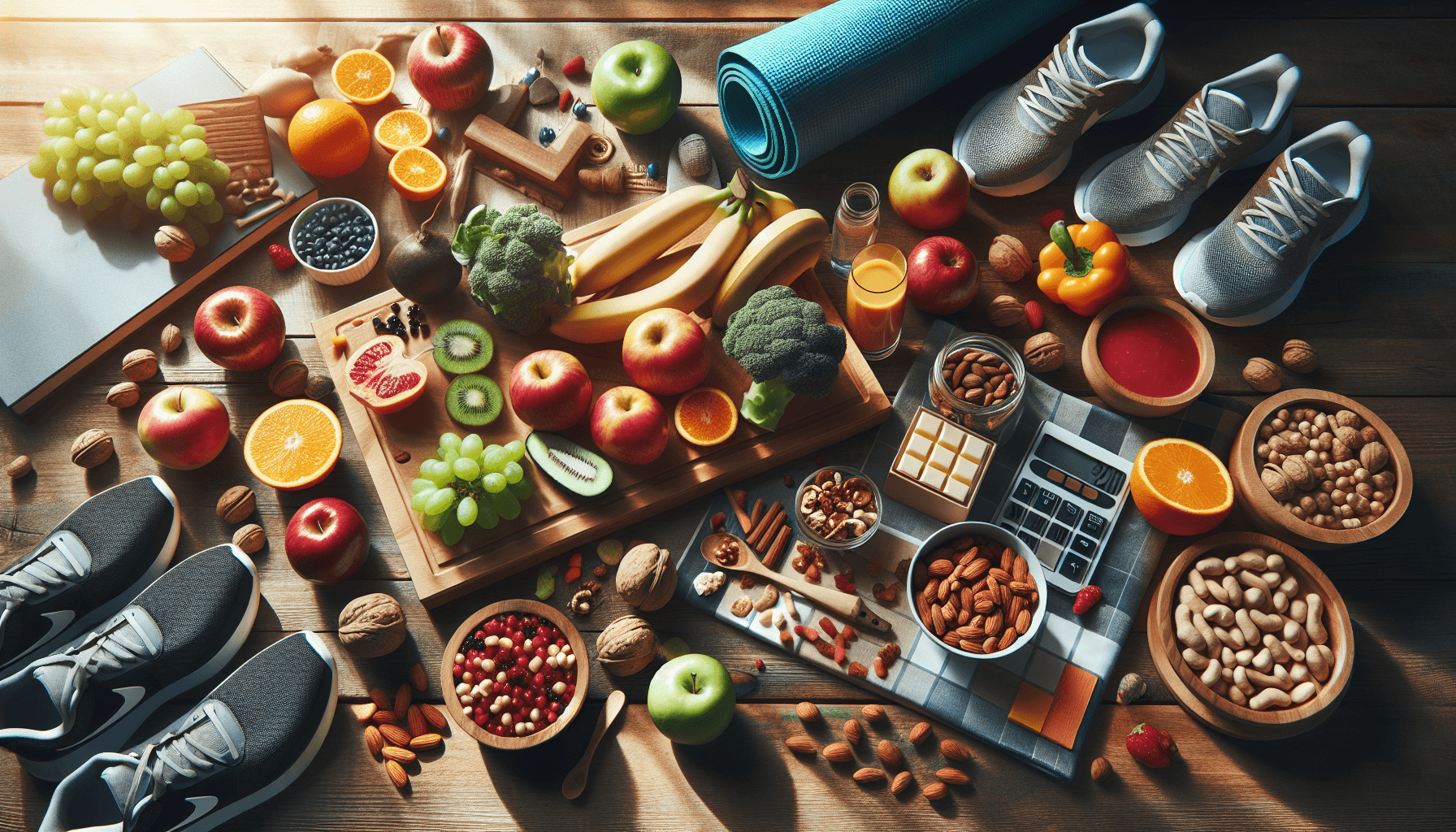
Creating a Quick Meal Plan
Creating a quick meal plan is essential for maintaining a balanced diet while saving time in the kitchen. A well-structured meal plan can help streamline your grocery shopping, reduce food waste, and ensure you meet your nutritional needs without the stress of last-minute decisions.
Why Meal Planning Matters
Meal planning is a proactive approach that allows you to control your nutrition intake, making it easier to achieve your dietary goals, whether for weight loss, muscle gain, or maintenance. By planning your meals in advance, you are less likely to opt for unhealthy convenience foods.
Steps to Create a Quick Meal Plan
1. Set Your Goals
Determine your nutrition objectives—are you focusing on weight loss, muscle gain, or simply maintaining your current health? Your goals will guide your meal choices and portion sizes.
2. Choose Quick Meals
Select meals that can be prepared in 30 minutes or less. Think of options like stir-fries, salads, and one-pan dishes that require minimal cooking time.
3. Use a Template
Create a weekly meal planning template. Divide your week into breakfast, lunch, dinner, and snacks. This structure helps you visualize your meals and simplifies grocery shopping.
4. Keep It Simple
Incorporate versatile ingredients that can be used across multiple meals. For example, grilled chicken, quinoa, and mixed vegetables can be combined in various ways throughout the week.
5. Utilize Technology
Using an app like Last Calorie can streamline your meal planning process. The AI photo logging feature allows you to snap a picture of your meals and receive an instant calorie and macro breakdown, making it easier to track your nutrition without tedious manual entry.
Practical Tips for Quick Meal Planning
1. Batch Cooking
Prepare larger quantities of meals on weekends, so you have ready-to-eat options during the week. Store them in individual containers for easy access.
2. Make a Grocery List
Based on your meal plan, create a shopping list to ensure you have all the necessary ingredients. This reduces impulse buys and helps you stick to your healthy eating goals.
3. Stay Flexible
Life can be unpredictable, so allow for some flexibility in your meal plan. Keep a few quick meal options on hand for busy days when you might not have time to cook.
4. Track Your Progress
Regularly evaluate how your meal plan aligns with your nutrition goals. Adjust as necessary to ensure you are getting the right balance of calories, protein, carbs, fats, and micronutrients.
Conclusion
Creating a quick meal plan can significantly improve your nutrition and simplify your cooking routine. By setting clear goals, choosing simple recipes, and utilizing helpful tools like the Last Calorie app, you can achieve a balanced diet without feeling overwhelmed. The app's AI-powered meal analysis ensures you stay on track with your nutrition goals effortlessly.
Take control of your meal planning today with Last Calorie’s AI photo logging feature, making meal tracking faster and more accurate than ever!