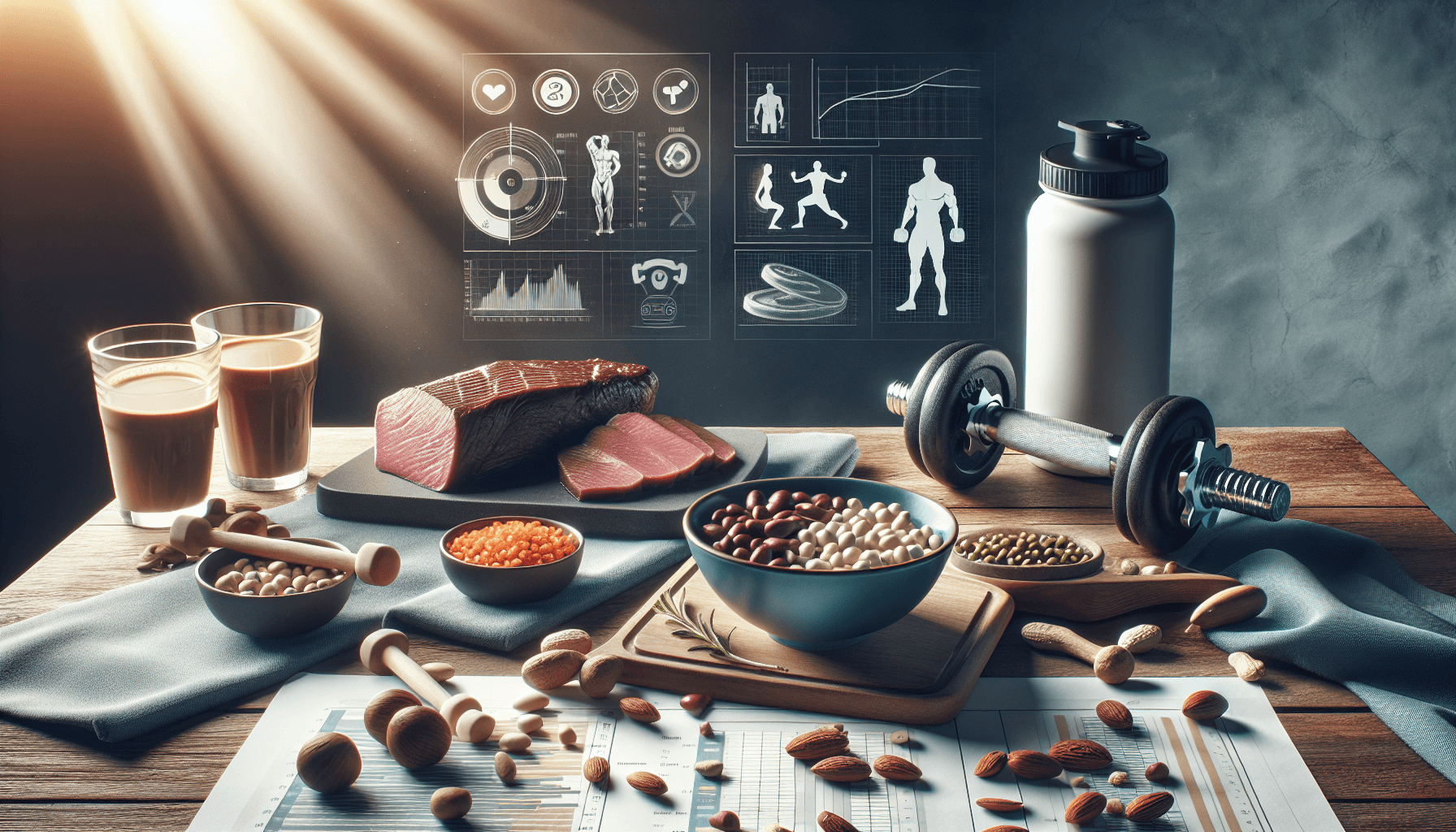
Understanding Protein for Muscle Recovery
Protein is essential for muscle recovery after workouts. It helps repair damaged muscle tissues, promotes muscle growth, and supports overall recovery. Understanding how to incorporate protein into your nutrition can significantly enhance your recovery process.
Why Protein is Important for Muscle Recovery
Muscle recovery occurs in the hours and days following exercise, especially after resistance training. Protein serves several vital functions during this time:
- Muscle Repair: Protein provides the amino acids needed to repair damaged muscle fibers.
- Muscle Growth: Adequate protein intake stimulates muscle protein synthesis, helping you build new muscle tissue.
- Reduced Soreness: Consuming protein post-exercise can decrease muscle soreness, allowing you to train harder and more often.
How Much Protein Do You Need?
The amount of protein you need for effective muscle recovery varies depending on several factors, including your activity level and body weight. A general guideline is:
- For general fitness: Aim for 0.8 grams of protein per kilogram of body weight.
- For muscle gain: Increase your intake to 1.6-2.2 grams per kilogram.
- For endurance athletes: A range of 1.2-1.4 grams per kilogram is recommended.
Best Sources of Protein
Incorporating a variety of protein sources into your diet can help you meet your needs:
- Animal Sources: Chicken, turkey, fish, eggs, and dairy products are rich in high-quality protein.
- Plant-Based Sources: Legumes, lentils, tofu, tempeh, and quinoa provide excellent protein options for vegetarians and vegans.
- Protein Supplements: Whey protein, casein, and plant-based protein powders can help you reach your protein goals, especially post-workout.
Practical Tips for Optimizing Protein Intake
- Plan Your Meals: Ensure each meal contains a source of protein. Consider using meal prep to make it easier.
- Post-Workout Nutrition: Aim to consume protein within 30 minutes to two hours after your workout for optimal recovery.
- Monitor Your Intake: Use the Last Calorie app's AI photo logging feature to quickly log your meals. Simply snap a photo of your post-workout meal, and you'll receive an instant calorie and macro breakdown, ensuring you meet your protein goals effortlessly.
- Stay Consistent: Regular protein intake throughout the day is more beneficial than consuming a large amount in one sitting.
Conclusion
Understanding the role of protein in muscle recovery is crucial for anyone looking to enhance their fitness journey. By ensuring you consume adequate protein and utilizing tools like the Last Calorie app, you can streamline your nutrition and focus on your recovery. The app's ability to provide instant macro breakdowns through photo logging makes tracking your protein intake easier than ever.
Start optimizing your muscle recovery with Last Calorie today and take advantage of its AI-powered features for a personalized nutrition experience!



