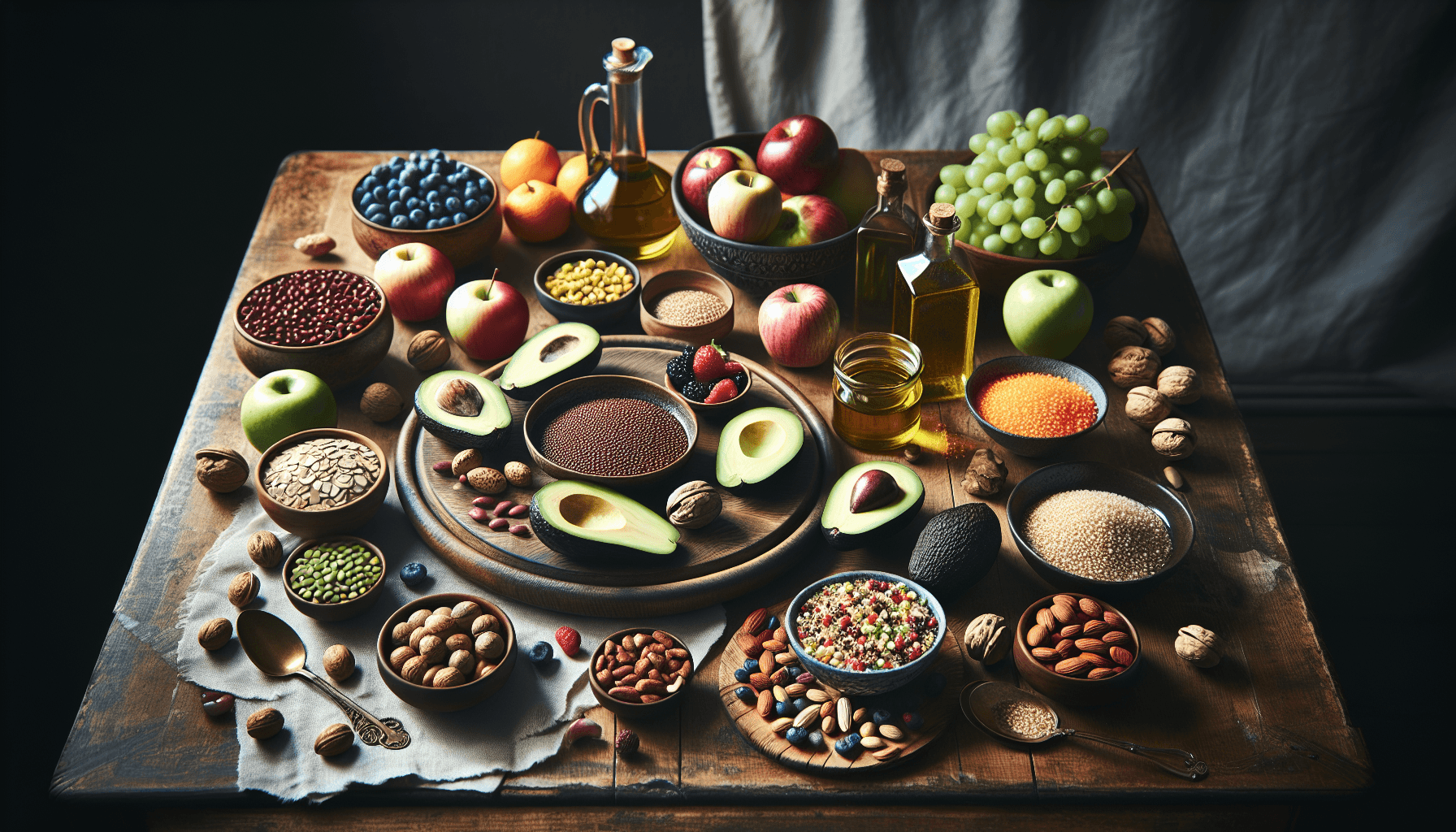
Understanding Macros: A Guide for Vegetarian Diets
Understanding macros, or macronutrients, is crucial for anyone following a vegetarian diet. The three primary macros are proteins, carbohydrates, and fats, each playing a unique role in nutrition, energy, and overall health. This guide will help you navigate these nutrients to ensure you meet your dietary needs.
What Are Macros?
Macros are the nutrients that provide energy and support bodily functions. They include:
- Proteins: Essential for muscle repair and growth.
- Carbohydrates: The body’s main energy source.
- Fats: Important for hormone production and nutrient absorption.
Importance of Macros in Vegetarian Diets
For vegetarian diets, understanding macros is vital to ensure you get enough nutrients without the inclusion of meat. Here’s how each macro affects your nutrition:
1. Protein
Vegetarians need to be mindful of their protein sources. Good options include:
- Legumes (beans, lentils)
- Tofu and tempeh
- Seitan
- Quinoa
- Dairy products (if included)
Aim for a variety of these sources to ensure you’re getting all essential amino acids.
2. Carbohydrates
Carbohydrates should make up a significant portion of your diet. Focus on:
- Whole grains (brown rice, oats)
- Fruits and vegetables
- Starchy vegetables (potatoes, squash)
These foods not only provide energy but also essential vitamins and minerals.
3. Fats
Healthy fats are crucial in a vegetarian diet. Include:
- Avocados
- Nuts and seeds
- Olive oil and other healthy oils
These fats help with nutrient absorption and overall health.
Practical Tips for Balancing Macros
- Plan Your Meals: Use a meal planner to ensure you're meeting your macro goals each day.
- Track Your Intake: The Last Calorie app can help you easily log your meals using AI photo logging. Snap a picture of your meal, and get instant calorie and macro breakdowns in seconds.
- Experiment with Foods: Try different sources of protein, grains, and fats to find what works best for you.
Monitoring Micronutrients
Don’t forget about micronutrients, which are also essential for health. Pay attention to iron, calcium, vitamin B12, and omega-3 fatty acids, which can be challenging to obtain on a vegetarian diet.
Conclusion
Understanding macros is essential for anyone on a vegetarian diet. By tracking your intake and ensuring a balanced consumption of proteins, carbs, and fats, you can meet your nutritional needs effectively.
To simplify your nutrition tracking, consider using the Last Calorie app, which offers an extensive database of foods, including over 900,000 USDA-backed entries. Start your journey towards balanced nutrition today with Last Calorie’s AI-powered meal analysis and photo logging features!



