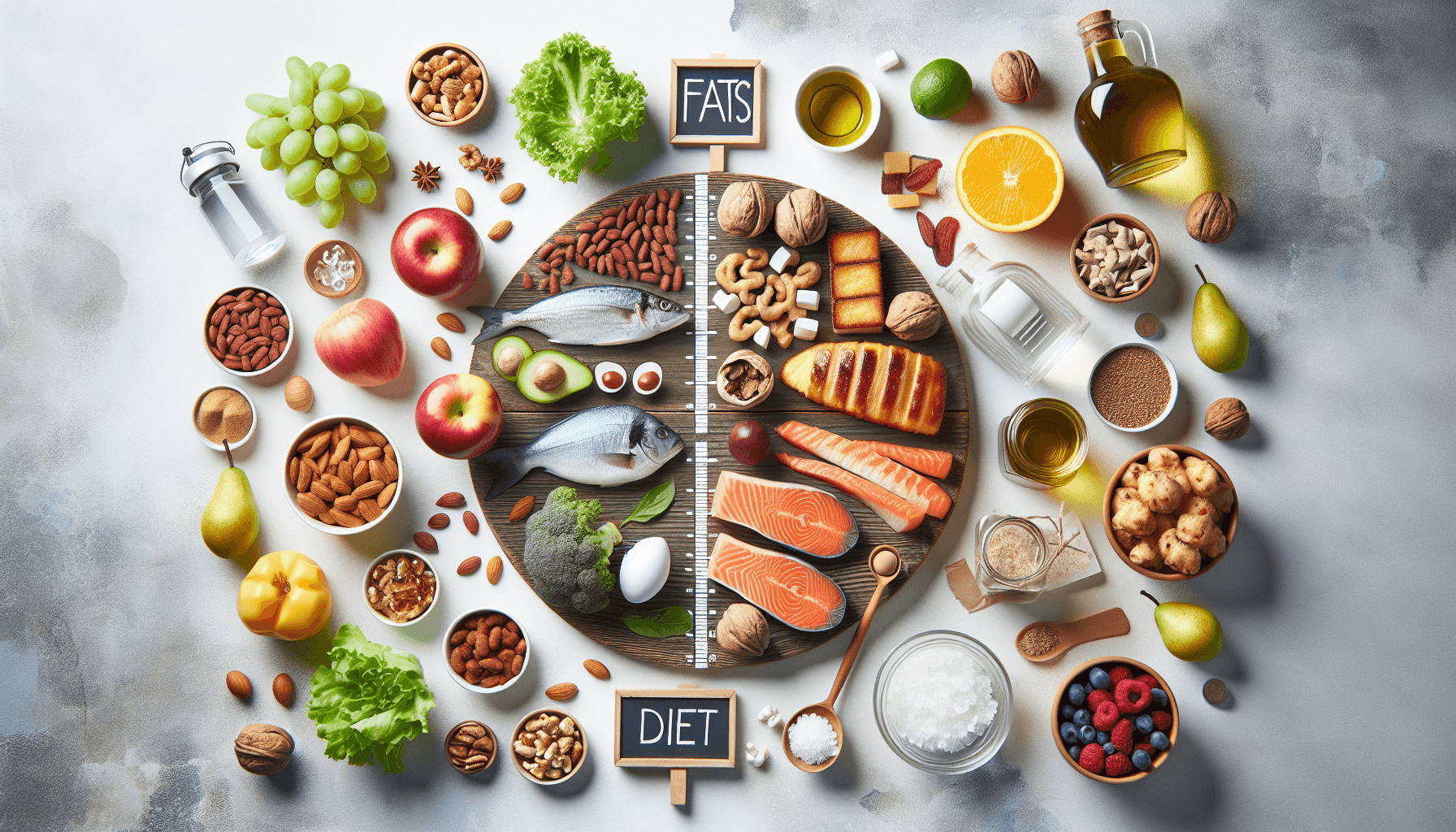
Understanding Fats in Your Diet
Fats are a crucial component of a balanced diet, providing energy and supporting cell growth. Understanding the different types of fats can help you make informed dietary choices that promote overall health.
What Are Fats?
Fats, also known as lipids, are one of the three macronutrients, alongside carbohydrates and proteins. They play several vital roles in the body, including:
- Energy source: Fats provide 9 calories per gram, making them a dense source of energy.
- Nutrient absorption: Fats help the body absorb fat-soluble vitamins (A, D, E, and K).
- Cell structure: Fats are essential for building cell membranes and hormones.
Types of Fats
Understanding the different types of fats is key to managing your diet effectively.
1. Saturated Fats
Saturated fats are typically solid at room temperature and are found in animal products such as meat, butter, and cheese, as well as some plant oils like coconut oil. While some saturated fats can fit into a healthy diet, excessive intake may increase cholesterol levels and the risk of heart disease. Aim to limit saturated fat to less than 10% of your total daily calories.
2. Unsaturated Fats
Unsaturated fats are usually liquid at room temperature and are considered healthier options. They are divided into two categories:
- Monounsaturated fats: Found in olive oil, avocados, and nuts, these fats can help reduce bad cholesterol levels.
- Polyunsaturated fats: Found in fatty fish, flaxseeds, and walnuts, these fats include omega-3 and omega-6 fatty acids, which are essential for heart health.
3. Trans Fats
Trans fats are artificially created through hydrogenation and are commonly found in processed foods. They are harmful to health and should be avoided as they raise bad cholesterol levels and lower good cholesterol levels.
Practical Tips for Incorporating Healthy Fats
- Choose Healthy Oils: Use olive oil or avocado oil instead of butter or margarine for cooking.
- Snack Wisely: Opt for nuts or seeds as snacks instead of chips or cookies.
- Include Fatty Fish: Aim to eat fatty fish like salmon or mackerel at least twice a week for their omega-3 benefits.
- Read Labels: Use the barcode scanning feature in the Last Calorie app to quickly identify the fat content in packaged foods and make healthier choices.
- Balance Your Plate: Ensure that your meals include a source of healthy fat, such as avocado, nuts, or seeds, to support satiety and nutrient absorption.
Conclusion
Incorporating healthy fats into your diet is essential for overall health and nutrition. By understanding the types of fats and making informed choices, you can enhance your wellbeing. For a practical solution to track your fat intake and other macronutrients, consider using the Last Calorie app's AI photo logging feature. It allows you to snap a photo of your meals and get instant calorie and macro breakdowns in seconds, making it easier to maintain a balanced diet.
Start your journey towards better nutrition with Last Calorie today!



