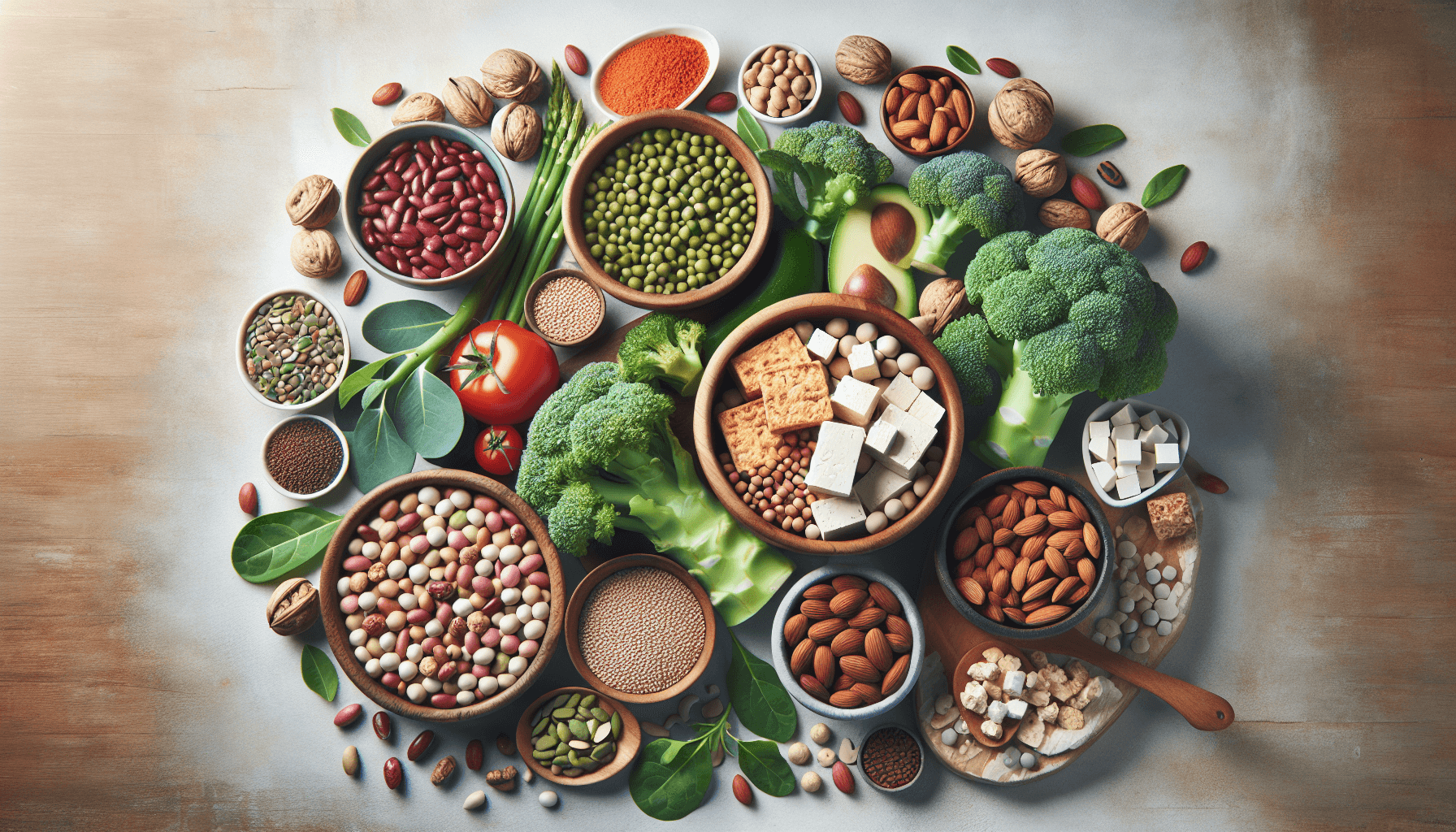
Top Protein Sources for Plant-Based Diets
Plant-based diets can provide ample protein when you know where to look. Whether you're a seasoned vegan or just trying to incorporate more plant-based meals into your diet, understanding the best sources of plant-based protein is essential for meeting your nutritional needs.
H2: Why Protein is Important
Protein is vital for muscle repair, immune function, and overall health. For those on a plant-based diet, getting enough protein can sometimes be a challenge, but there are plenty of options available to meet your macro needs.
H2: Top Plant-Based Protein Sources
#### H3: Legumes
Legumes, such as lentils, chickpeas, and black beans, are excellent sources of protein. One cup of cooked lentils provides about 18 grams of protein. They are also high in fiber, which can aid digestion.
#### H3: Tofu and Tempeh
Tofu and tempeh are versatile soy products that offer significant protein content. A 3.5-ounce serving of tempeh contains around 19 grams of protein, making it a great meat substitute in various dishes.
#### H3: Quinoa
Quinoa is a unique grain that provides all nine essential amino acids, making it a complete protein source. One cup of cooked quinoa offers approximately 8 grams of protein and is a great base for salads and bowls.
#### H3: Nuts and Seeds
Nuts and seeds, like almonds and chia seeds, are not only rich in protein but also healthy fats. Two tablespoons of chia seeds contain about 4 grams of protein, perfect for smoothies or oatmeal.
#### H3: Seitan
Seitan, often called wheat meat, packs about 25 grams of protein per 3.5 ounces. It's an excellent option for those looking for a meat-like texture in their meals.
H2: Tips for Tracking Your Protein Intake
- Incorporate a Variety: Ensure you consume a mix of protein sources to obtain all essential amino acids.
- Use the Last Calorie App: Log your meals quickly with Last Calorie’s AI photo logging feature. Just snap a photo of your meal, and you'll receive an instant calorie and macro breakdown, making it easier to track your protein intake.
- Plan Your Meals: Pre-plan meals to include sufficient protein at each meal and snack.
- Experiment with Recipes: Try new recipes that focus on protein-rich ingredients to keep meals exciting and nutritious.
H2: Conclusion
Incorporating these protein sources into your plant-based diet can help you meet your nutritional goals effectively. Remember to track your macronutrients to ensure you're getting enough protein. The Last Calorie app can make tracking your protein and macro intake effortless with its quick logging features and extensive food database. Start your journey to balanced nutrition with Last Calorie today!



