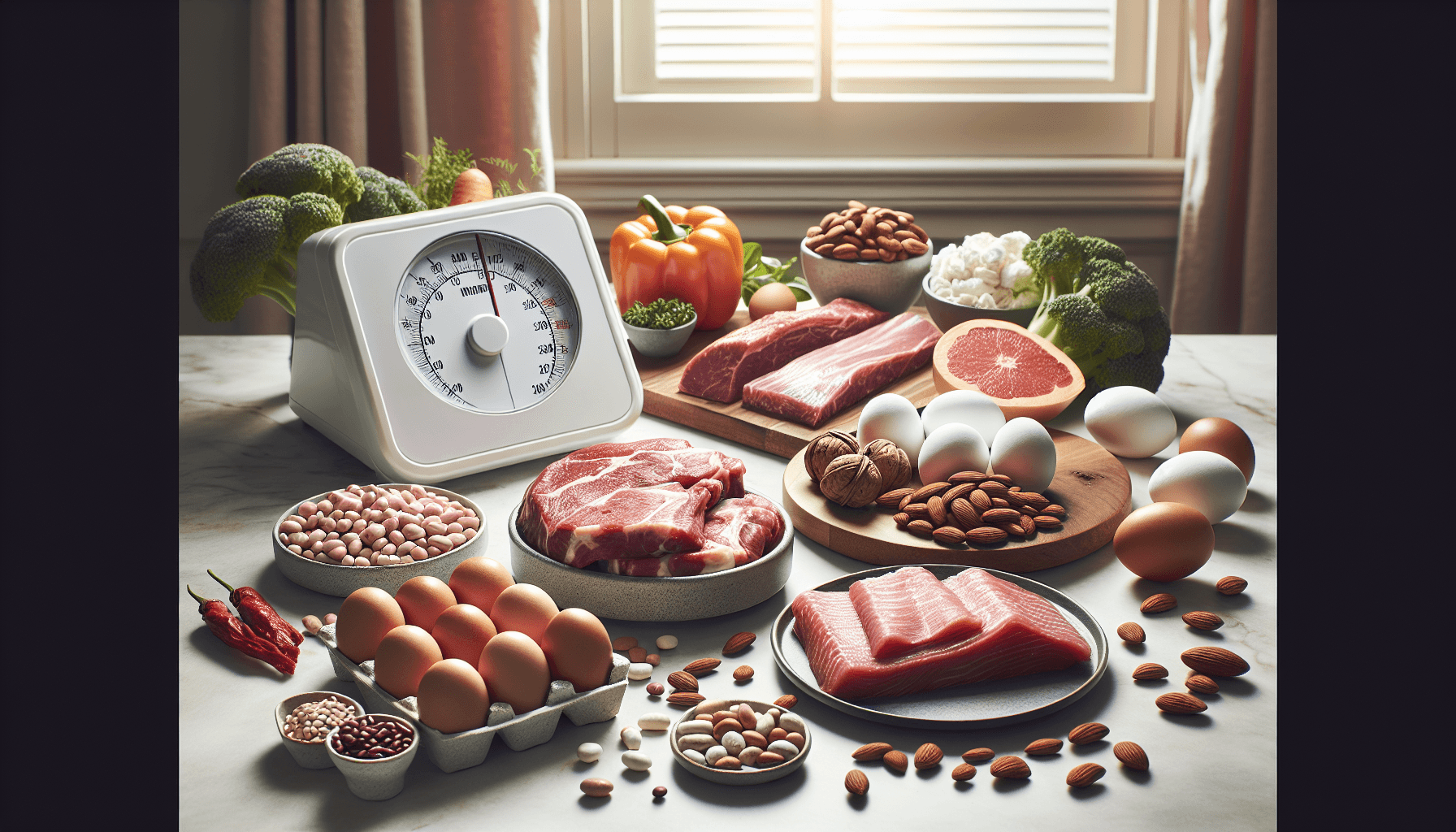
Understanding Protein Minimums for Effective Weight Loss
To achieve effective weight loss, it's crucial to understand your protein minimums. Adequate protein intake helps maintain muscle mass, supports metabolism, and keeps you feeling full longer. This article will explore how to determine your protein needs and provide practical tips to help you incorporate healthy macros into your diet.
What Are Protein Minimums?
Protein minimums refer to the minimum amount of protein you should consume daily to meet your body's needs, especially when trying to lose weight. While individual needs vary, a common guideline is to consume about 0.8 to 1.2 grams of protein per kilogram of body weight, depending on activity level and weight loss goals.
Why Protein Is Important for Weight Loss
- Muscle Preservation: During weight loss, the body can lose muscle along with fat. Adequate protein helps preserve lean muscle mass, which is essential for maintaining a healthy metabolism.
- Satiety: Protein promotes feelings of fullness, which can help reduce overall calorie intake. This can be particularly beneficial when trying to lose weight.
- Thermic Effect of Food (TEF): Eating protein increases the thermic effect, meaning your body burns more calories during digestion compared to carbs and fats.
How to Calculate Your Protein Minimums
To determine your protein minimum, follow these steps:
- Find Your Weight in Kilograms: Convert your weight from pounds to kilograms by dividing by 2.2.
- Determine Your Activity Level:
- Sedentary: 0.8 g/kg
- Lightly active: 1.0 g/kg
- Moderately active: 1.2 g/kg
- Calculate Your Protein Needs: Multiply your weight in kg by the appropriate factor. For example, a 70 kg moderately active person would need about 84 grams of protein per day (70 kg x 1.2 g/kg).
Practical Tips for Meeting Your Protein Minimums
- Incorporate Protein-Rich Foods: Include sources like lean meats, fish, eggs, dairy, legumes, and nuts in your meals.
- Use the Last Calorie App: With Last Calorie's AI photo logging feature, you can quickly snap a photo of your meals and receive an instant breakdown of calories and macros, making it easier to track your protein intake.
- Plan Your Meals: Prepare meals and snacks in advance to ensure you include adequate protein in your diet. Consider protein shakes or bars for convenient options.
- Monitor Your Progress: Keep track of your protein intake and adjust as needed based on your weight loss progress.
Conclusion
Understanding protein minimums is crucial for effective weight loss and maintaining a healthy macro balance. By calculating your protein needs and incorporating practical strategies, you can enhance your weight loss journey.
To simplify tracking your protein and overall macros, consider using the Last Calorie app. Its AI-powered meal analysis helps you log meals in under 30 seconds, ensuring you stay on track with your nutrition goals.



