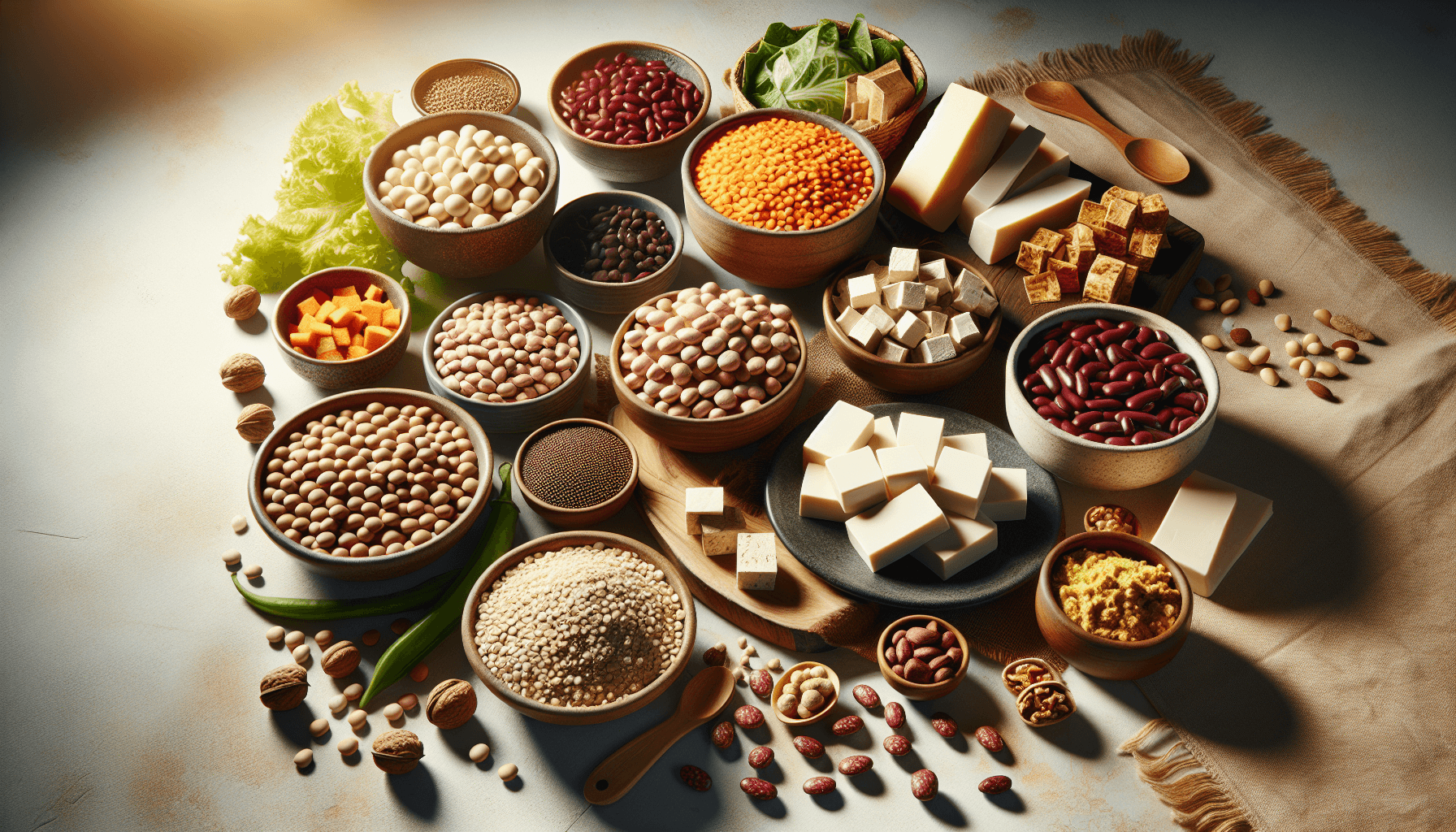
Protein Intake for Vegetarians
Ensuring adequate protein intake on a vegetarian diet is essential for maintaining health and well-being. While it may seem challenging to meet protein needs without meat, numerous plant-based options can help you achieve your macronutrient goals.
Understanding Protein Intake
Protein is one of the three main macronutrients, alongside carbohydrates and fats. It plays a vital role in building and repairing tissues, making enzymes and hormones, and supporting overall bodily functions. For vegetarians, the recommended daily protein intake varies based on factors such as age, sex, and activity level, but it generally ranges from 46 grams for adult women to 56 grams for adult men.
High-Protein Foods for Vegetarians
To meet your protein needs on a vegetarian diet, consider incorporating the following foods:
Legumes
- Lentils: About 18 grams of protein per cooked cup.
- Chickpeas: Approximately 15 grams of protein per cooked cup.
Dairy and Eggs
- Greek Yogurt: Contains around 20 grams of protein per serving.
- Eggs: Each egg provides about 6 grams of protein.
Nuts and Seeds
- Almonds: Approximately 6 grams of protein per ounce.
- Chia Seeds: Around 5 grams of protein per ounce.
Whole Grains
- Quinoa: Provides about 8 grams of protein per cooked cup.
- Brown Rice: Contains about 5 grams of protein per cooked cup.
Combining Proteins for Complete Amino Acids
It's essential to consume a variety of protein sources to ensure you're getting all nine essential amino acids. Combining foods, such as rice and beans or peanut butter on whole-grain bread, can create a complete protein profile that supports your body's needs.
Tracking Your Macronutrients
To effectively monitor your protein intake, using a tracking app can be incredibly helpful. The Last Calorie app features AI photo logging, allowing you to snap a picture of your meals and get an instant calorie and macro breakdown in seconds. This ease of tracking can help you stay on top of your protein goals without the hassle of manual entry.
Practical Tips for Increasing Protein Intake
- Plan Your Meals: Include a source of protein in every meal and snack.
- Experiment with New Recipes: Try plant-based recipes that highlight high-protein ingredients.
- Snack Wisely: Choose protein-rich snacks like nuts, seeds, or Greek yogurt.
Conclusion
Achieving adequate protein intake on a vegetarian diet is entirely possible with careful planning and a variety of food choices. By utilizing resources like the Last Calorie app, you can efficiently track your protein and overall macronutrient intake, ensuring you meet your dietary goals. Start your journey toward better nutrition today with Last Calorie's innovative features!



