Protein Sources for Vegetarian Diets
Finding adequate protein sources in a vegetarian diet is essential for maintaining health and supporting fitness goals. Fortunately, there are numerous plant-based protein options that can help you meet your macro requirements without relying on meat.
Understanding Vegetarian Protein
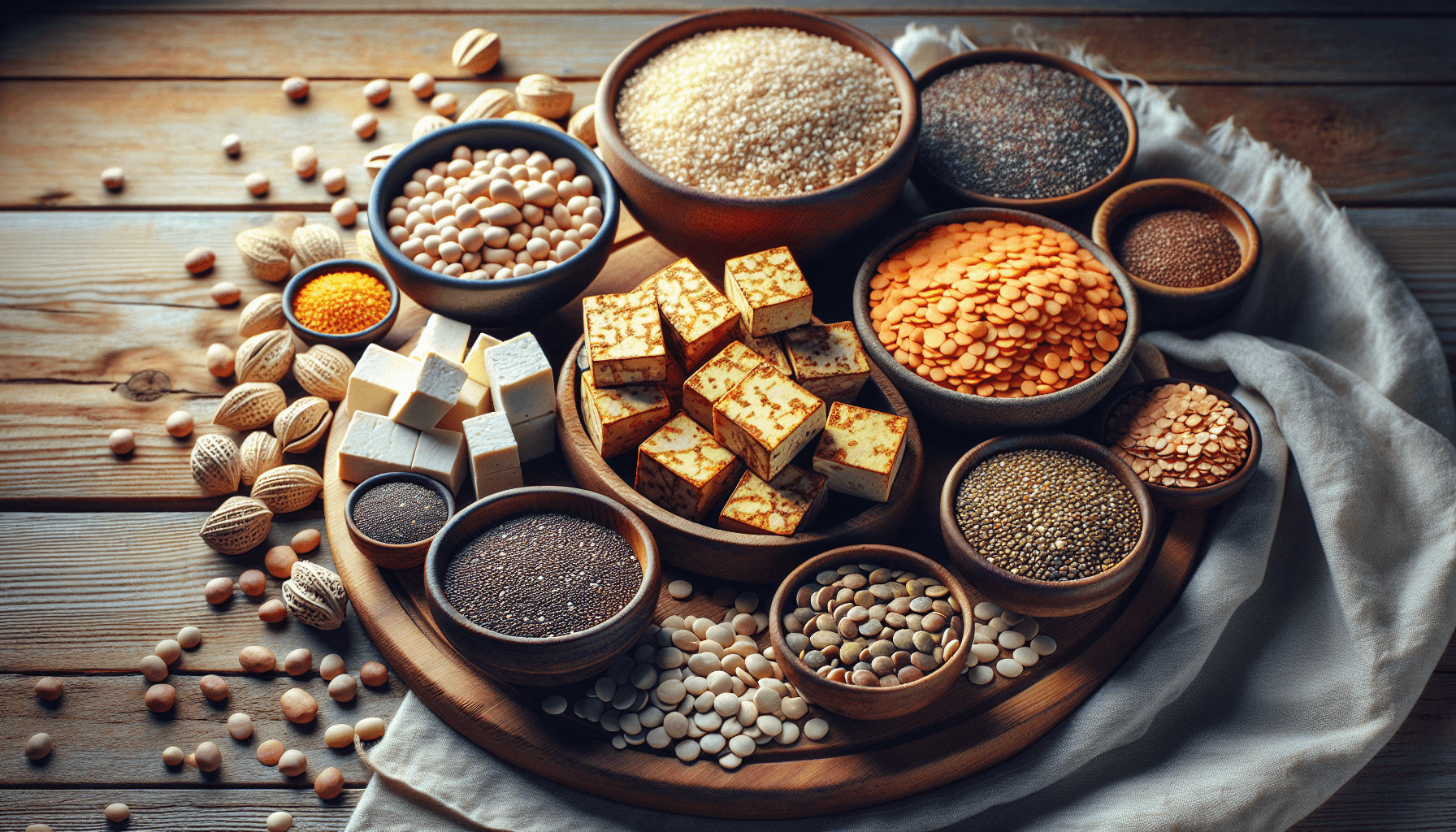
Vegetarian protein sources are derived from plants and include legumes, nuts, seeds, grains, and dairy products (for lacto-vegetarians). It's important to diversify your protein intake to ensure you receive all essential amino acids. Here are some top vegetarian protein sources:
1. Legumes
- Beans (black beans, kidney beans, chickpeas): Rich in protein and fiber.
- Lentils: A great source of protein and iron, lentils are versatile and can be added to soups, salads, and dishes.
2. Nuts and Seeds
- Almonds: High in protein and healthy fats, perfect for snacking.
- Chia Seeds and Hemp Seeds: Packed with protein and omega-3 fatty acids, these can be added to smoothies or oatmeal.
3. Whole Grains
- Quinoa: A complete protein containing all nine essential amino acids.
- Brown Rice: While not a complete protein, it's a great base for meals when paired with legumes.
4. Dairy and Eggs
- Greek Yogurt: High in protein and probiotics, making it a nutritious snack or breakfast option.
- Eggs: A versatile source of protein for lacto-ovo vegetarians.
Practical Tips for Tracking Protein Intake
To ensure you're meeting your protein needs, consider the following tips:
- Incorporate a Variety of Sources: Combine different protein sources to achieve a complete amino acid profile.
- Use the Last Calorie App: With its AI photo logging feature, you can snap a photo of your meals and receive an instant breakdown of calories and macros, making it easy to track your protein intake accurately.
- Set Daily Goals: Determine your protein needs based on your activity level and goals (weight loss, muscle gain, or maintenance).
5. Meal Prep for Success
- Plan Your Meals: Preparing meals in advance can help you stay on track with your protein intake.
- Snacks Matter: Keep high-protein snacks like nuts or protein bars handy to prevent low intake throughout the day.
Conclusion
A balanced vegetarian diet can provide ample protein through diverse sources. By incorporating legumes, nuts, seeds, grains, and dairy (if applicable), you can meet your macro goals effectively. For those looking to streamline their tracking, Last Calorie's AI-powered meal analysis makes it easy to log meals and monitor protein intake in seconds.
Start using Last Calorie today to simplify your macro tracking and ensure you're getting the right amount of protein for your vegetarian diet!



