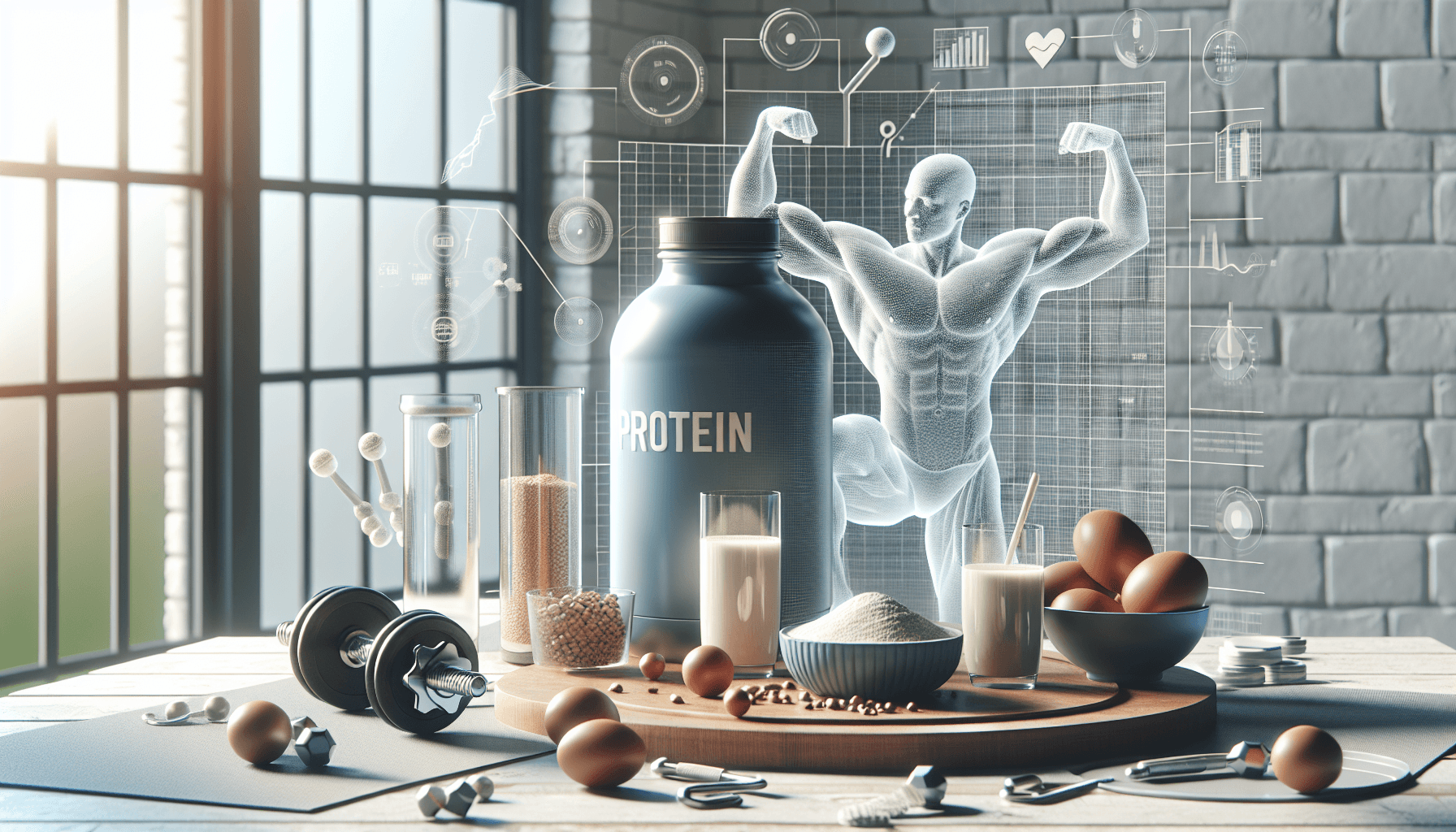
Protein for Muscle Recovery: What You Need to Know
Protein plays a crucial role in muscle recovery after exercise. It helps repair and rebuild muscle tissues, making it essential for athletes and fitness enthusiasts alike. This article will delve into the importance of protein, how it supports muscle recovery, and practical tips to ensure you’re getting enough of this vital macronutrient.
Why Is Protein Important for Muscle Recovery?
Protein is one of the three main macronutrients, alongside carbohydrates and fats. After intense workouts, your muscles undergo stress and small tears. Protein provides the necessary amino acids that facilitate muscle repair and growth. Here are key benefits of protein for muscle recovery:
- Repairs Muscle Damage: Consuming protein post-exercise helps accelerate recovery by repairing damaged muscle fibers.
- Promotes Muscle Growth: Adequate protein intake supports muscle protein synthesis, leading to muscle growth over time.
- Reduces Soreness: Protein can help alleviate delayed onset muscle soreness (DOMS), making it easier to bounce back after workouts.
How Much Protein Do You Need?
The amount of protein required can vary based on activity level, age, and fitness goals:
- General Recommendation: For most adults, aim for about 0.8 grams of protein per kilogram of body weight.
- Active Individuals: Those engaging in regular strength training may need between 1.2 to 2.0 grams per kilogram of body weight.
- Post-Workout Intake: A common guideline is to consume 20-30 grams of protein within 30 minutes after exercising for optimal recovery.
Best Sources of Protein
Incorporating a variety of protein sources into your diet can help meet your needs:
- Animal Sources: Chicken, turkey, fish, eggs, and dairy are excellent sources of complete proteins.
- Plant Sources: Legumes, lentils, quinoa, nuts, and seeds provide valuable protein, especially for vegetarians and vegans.
- Protein Supplements: Protein shakes or bars can be convenient options, especially after workouts.
Practical Tips for Optimizing Protein Intake
- Plan Your Meals: Ensure each meal includes a source of protein. This will help you meet your daily intake goals.
- Use the Last Calorie App: With its AI photo logging feature, you can easily track your meals. Snap a photo of your plate, and get an instant breakdown of your protein intake along with other macros.
- Snack Wisely: Choose protein-rich snacks like Greek yogurt, cottage cheese, or protein bars post-workout.
- Stay Consistent: Make protein a regular part of your diet, not just a post-workout priority.
- Hydrate: Adequate hydration supports overall recovery, including protein metabolism.
Conclusion
Protein is a vital macronutrient for muscle recovery, aiding in repair, growth, and soreness reduction. By understanding your protein needs and incorporating diverse sources into your diet, you can enhance your recovery process. For a seamless way to track your protein intake and overall nutrition, consider using the Last Calorie app. Its AI-powered meal analysis and photo logging make it easy to stay on top of your macronutrient goals. Start optimizing your muscle recovery today with Last Calorie!



