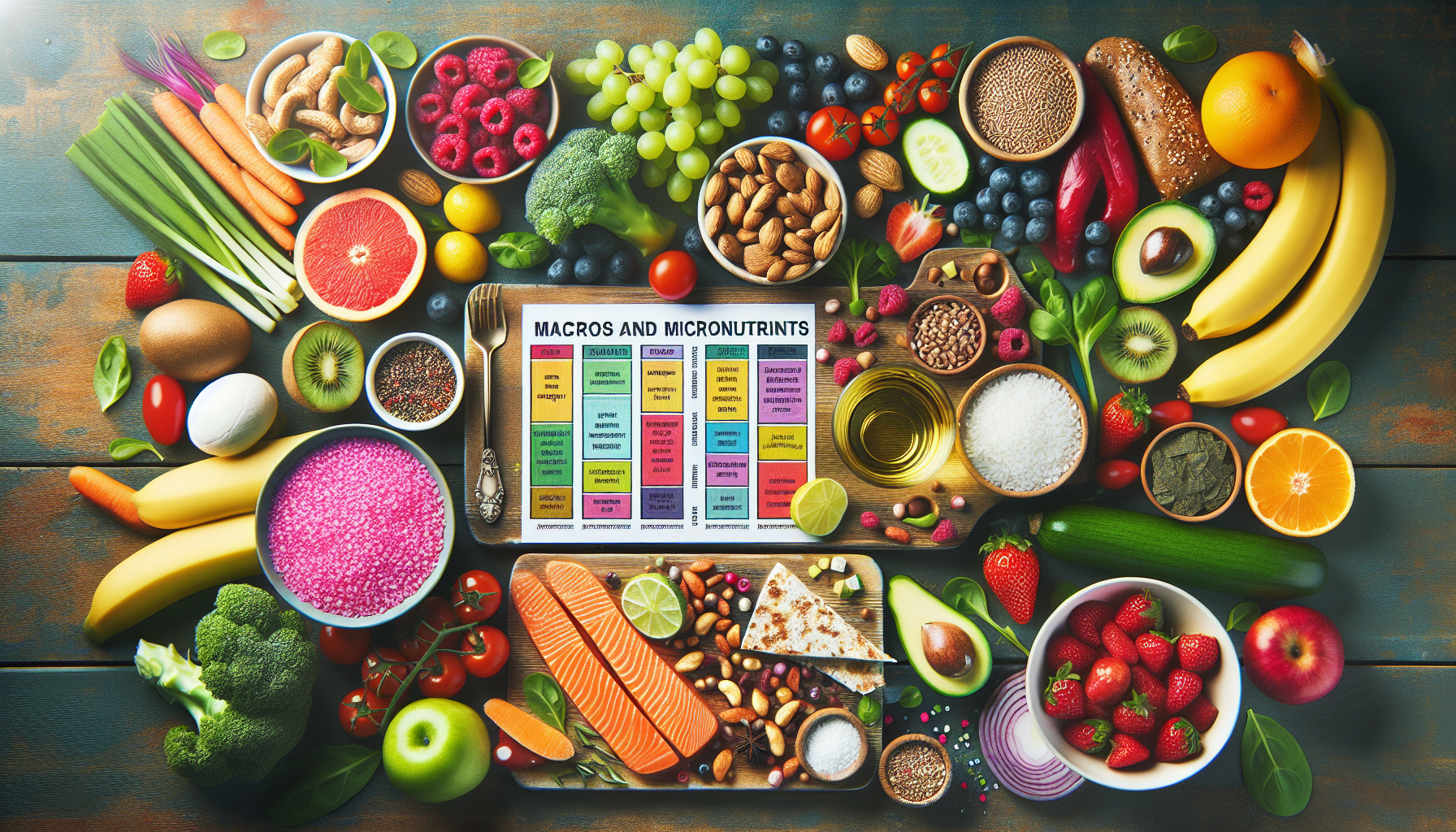
Finding the Micro-Macro Balance for Optimal Health
Achieving optimal health requires a balanced intake of macronutrients (macros) and micronutrients (micros). Macros, which include carbohydrates, proteins, and fats, provide energy and building blocks for the body. Micros, on the other hand, such as vitamins and minerals, support various bodily functions and overall health. Striking the right balance between these two categories is crucial for maintaining well-being.
Understanding Macros and Micros
What Are Macronutrients?
Macronutrients are the nutrients your body needs in larger quantities. They are divided into three main categories:
- Carbohydrates: The body's primary energy source, found in foods like grains, fruits, and vegetables.
- Proteins: Essential for tissue repair and muscle building, found in meat, dairy, legumes, and nuts.
- Fats: Important for hormone production and nutrient absorption, present in oils, butter, and avocados.
What Are Micronutrients?
Micronutrients are vitamins and minerals required in smaller amounts but are vital for health. They include:
- Vitamins: Such as A, C, D, and B-complex, which support immune function, energy production, and skin health.
- Minerals: Such as calcium, iron, and potassium, which are essential for bone health, oxygen transport, and fluid balance.
The Importance of Balance
A proper balance between macros and micros is essential for:
- Supporting metabolism and energy levels
- Enhancing immune function
- Promoting muscle growth and recovery
- Preventing chronic diseases
Practical Tips for Achieving Micro-Macro Balance
- Track Your Intake: Use tools like the Last Calorie app to monitor your daily intake of macros and micros. With features like AI photo logging, you can snap a photo of your meal and receive an instant breakdown of calories and nutrients.
- Prioritize Whole Foods: Focus on whole, unprocessed foods that are naturally rich in both macros and micros, such as vegetables, fruits, lean meats, and whole grains.
- Diversify Your Diet: Include a variety of foods in your diet to ensure you get a broad range of nutrients. This can help cover any potential deficiencies in your intake.
- Plan Your Meals: Meal planning can help you meet your macro and micro goals without excessive effort. Incorporate a mix of protein, carbs, and healthy fats in every meal.
- Stay Hydrated: Water is crucial for nutrient transport and absorption. Aim to drink enough fluids throughout the day.
Conclusion
Finding the right micro-macro balance is essential for optimal health. By focusing on a varied diet and utilizing tools like the Last Calorie app for accurate tracking, you can easily manage your nutritional intake. This app’s AI-powered meal analysis allows you to understand your dietary habits better and make informed choices.
Ready to take control of your nutrition? Download Last Calorie today and start logging your meals easily with AI photo logging and an extensive food database.



