The Importance of Protein for Muscle Recovery
Protein is essential for muscle recovery after workouts, as it helps repair and build muscle fibers that are damaged during exercise. Understanding the role of protein in your fitness journey can enhance your recovery process and improve overall performance.
What Role Does Protein Play in Muscle Recovery?
Protein is made up of amino acids, which are the building blocks of muscle tissue. After a workout, your muscles need these amino acids to:
- Repair damaged tissues
- Promote muscle growth
- Support overall recovery processes
The Science Behind Protein and Recovery
When you engage in physical activity, especially resistance training, your muscle fibers experience micro-tears. Consuming protein after exercise provides the necessary nutrients to help your body rebuild these fibers, leading to muscle growth and increased strength. Research suggests that consuming protein within 30 minutes to two hours post-exercise is optimal for recovery.
How Much Protein Do You Need for Muscle Recovery?
The recommended daily intake of protein varies based on factors such as age, sex, and activity level:
- General guidelines suggest 0.8 grams of protein per kilogram of body weight for sedentary adults.
- For those engaged in regular strength training, 1.6 to 2.2 grams per kilogram is often recommended.
Sources of Protein
To meet your protein needs, incorporate a variety of sources:
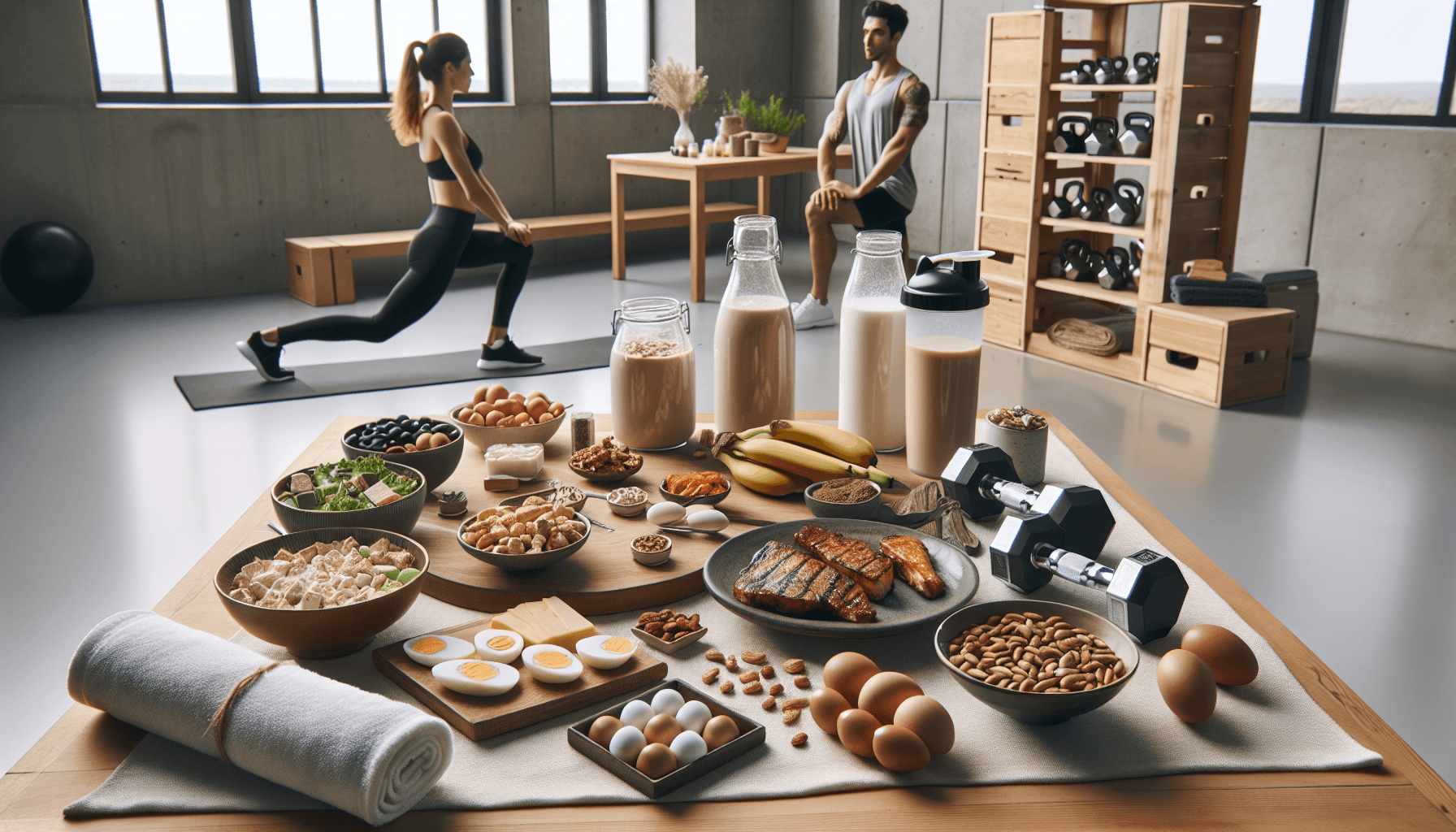
- Animal sources: Chicken, beef, fish, eggs, and dairy
- Plant-based sources: Lentils, chickpeas, quinoa, nuts, and seeds
Practical Tips for Optimizing Protein Intake
- Plan Your Meals: Include a source of protein in every meal and snack. This ensures a steady supply of amino acids throughout the day.
- Use a Calorie Tracking App: To help monitor your protein intake, consider using Last Calorie. Its AI photo logging feature allows you to snap a photo of your meals and get an instant breakdown of calories and macros, including protein content.
- Timing Matters: Focus on consuming protein-rich foods soon after your workout to maximize recovery.
- Stay Hydrated: Water plays a crucial role in recovery, so ensure you're drinking enough fluids alongside your protein intake.
- Experiment with Protein Supplements: If you find it difficult to get enough protein from food alone, consider protein shakes or bars as convenient options.
Conclusion
Incorporating sufficient protein into your diet is vital for effective muscle recovery and overall fitness. By understanding your protein needs and utilizing tools like Last Calorie, you can easily track your intake and ensure you’re meeting your nutritional goals. The app's AI-powered meal analysis makes logging meals quick and accurate, supporting your fitness journey efficiently.
Start using Last Calorie today and take advantage of its AI photo logging feature to simplify tracking your protein and other macros!



