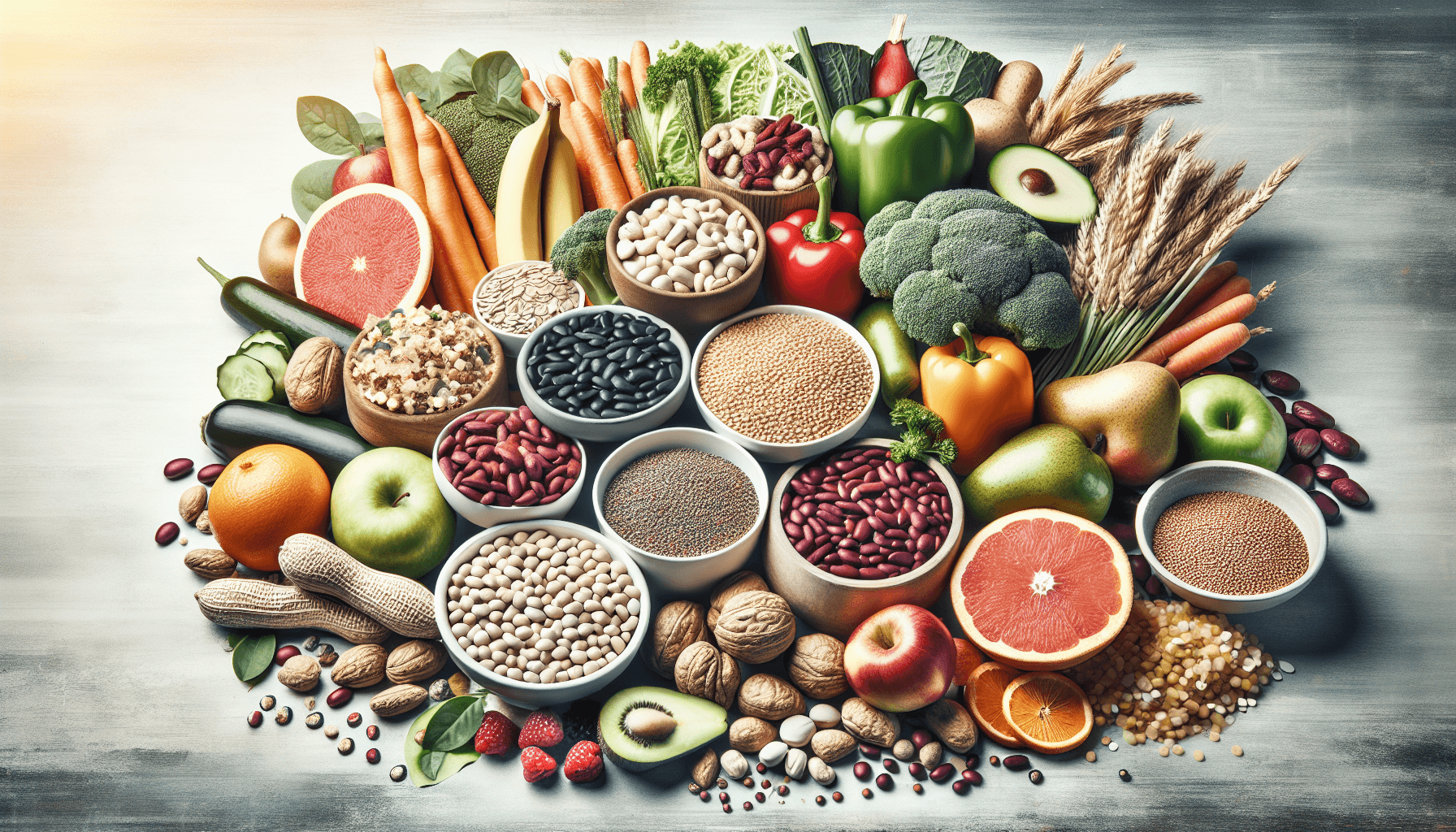
Understanding the Importance of Fiber in Your Diet
Fiber is essential for maintaining good digestive health and overall nutrition. It helps regulate bowel movements, lowers cholesterol levels, and can even aid in weight management. Understanding fiber's benefits and how to incorporate it into your daily diet is key to achieving optimal health.
What is Fiber?
Fiber is a type of carbohydrate that the body cannot digest. Unlike other carbohydrates, which are broken down into sugar molecules, fiber passes through the digestive system largely intact. There are two main types of fiber:
Soluble Fiber
Soluble fiber dissolves in water and can help lower blood cholesterol and glucose levels. Foods rich in soluble fiber include:
- Oats
- Barley
- Nuts
- Seeds
- Beans
- Lentils
- Fruits (e.g., apples, oranges, berries)
Insoluble Fiber
Insoluble fiber does not dissolve in water and is beneficial for maintaining bowel health. It adds bulk to the stool and helps food move through the digestive tract. Sources of insoluble fiber include:
- Whole grains
- Wheat bran
- Vegetables (e.g., carrots, cucumbers, tomatoes)
- Nuts and seeds
Benefits of Fiber in Your Diet
Incorporating adequate fiber into your diet offers numerous health benefits:
- Promotes Digestive Health: Fiber aids in regular bowel movements and prevents constipation.
- Supports Weight Management: High-fiber foods are usually more filling, which can help control appetite and reduce overall calorie intake.
- Lowers Cholesterol Levels: Soluble fiber helps reduce the absorption of cholesterol into your bloodstream.
- Regulates Blood Sugar: Fiber slows the absorption of sugar, helping to control blood sugar levels.
How Much Fiber Do You Need?
The recommended daily intake of fiber varies by age and gender:
- Women: 25 grams per day
- Men: 38 grams per day
- Children: 14-31 grams depending on age
Practical Tips for Increasing Fiber Intake
- Start Your Day with Whole Grains: Choose whole-grain cereals or oatmeal instead of refined grains.
- Snack Smart: Opt for fruits, vegetables, or nuts instead of processed snacks.
- Add Beans and Legumes: Incorporate beans, lentils, and chickpeas into salads, soups, and main dishes.
- Choose High-Fiber Fruits and Vegetables: Include a variety of fruits and vegetables in your meals, especially those with skin.
- Read Labels: Use apps like Last Calorie to track your fiber intake easily. With its barcode scanning feature, you can quickly analyze packaged foods for their fiber content.
Conclusion
Fiber is a crucial component of a balanced diet that supports various aspects of health, from digestion to weight management. By incorporating more fiber-rich foods into your meals, you can significantly improve your overall dietary health. For tracking your nutrients effectively, consider using Last Calorie. Its AI-powered meal analysis can help you stay on top of your fiber intake effortlessly. Whether you’re aiming for weight loss, muscle gain, or maintenance, Last Calorie makes it easy to log meals and track your nutrition. Start your journey towards better health today!



