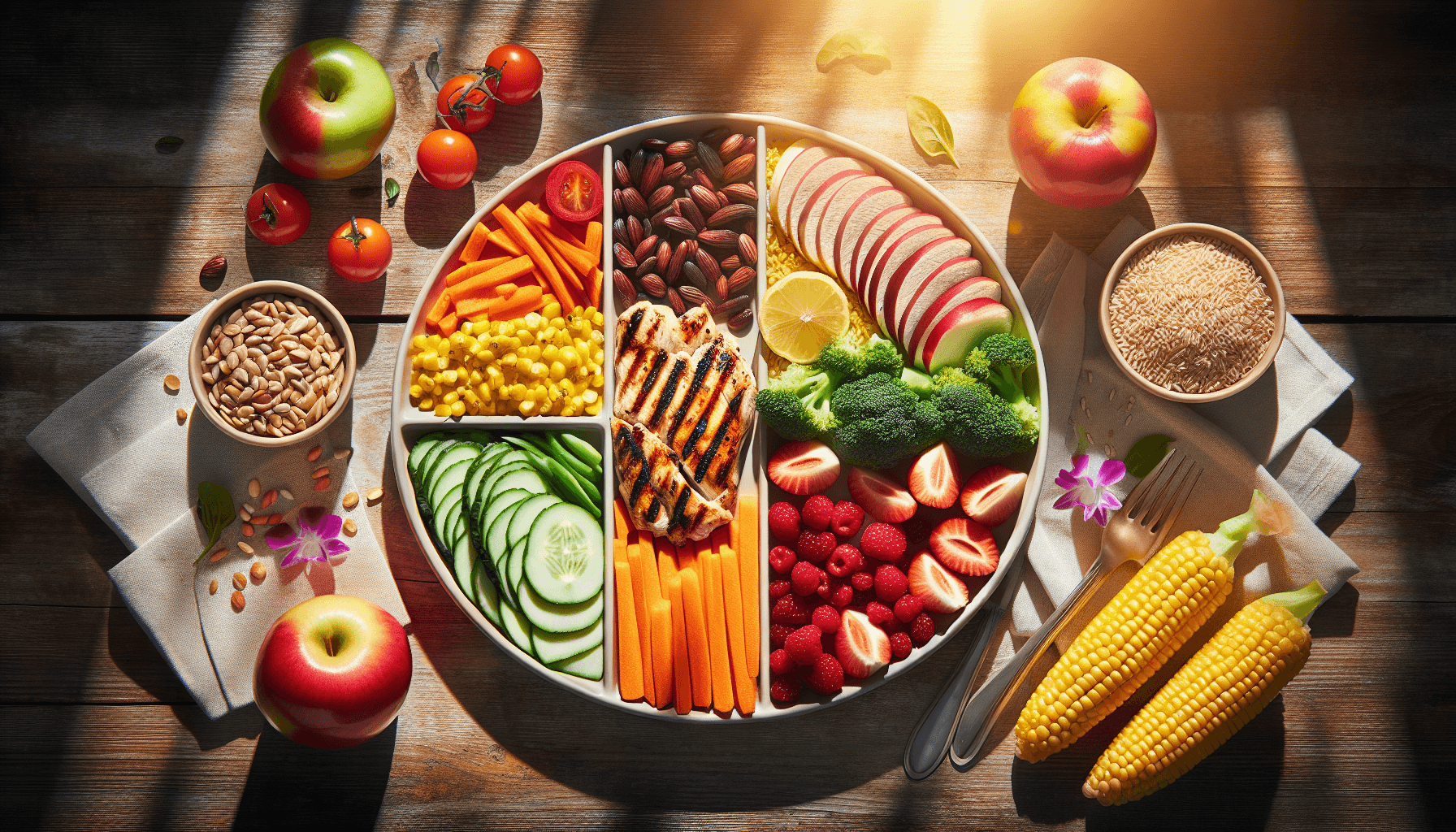
How to Balance Protein and Carbs
Balancing protein and carbs is essential for maintaining energy levels, supporting muscle growth, and aiding in weight management. Proper nutrition advice suggests a strategic approach to both macronutrients, ensuring you meet your health and fitness goals.
Understanding Protein and Carbs
What is Protein?
Protein is a macronutrient crucial for building and repairing tissues, making enzymes and hormones, and supporting immune function. It's found in foods like meat, fish, dairy, legumes, and nuts.
What are Carbohydrates?
Carbohydrates are the body's primary energy source, divided into simple and complex carbs. Simple carbs are found in sugars and fruits, while complex carbs come from whole grains and vegetables.
Why Balance Protein and Carbs?
Balancing these macronutrients can lead to better energy management and muscle development. Consuming too many carbs can lead to weight gain, while insufficient protein can hinder muscle repair and growth. Finding the right balance supports overall health and fitness.
Tips for Balancing Protein and Carb Intake
1. Determine Your Macronutrient Needs
To effectively balance protein and carbs, start by calculating your daily energy needs based on your activity level, goals, and body composition. A common ratio is 40% carbs, 30% protein, and 30% fats, but this can vary.
2. Prioritize Whole Foods
Focus on whole, unprocessed foods that naturally balance protein and carbs. For example, quinoa is a great source of both. Incorporate lean proteins like chicken, fish, and plant-based sources like beans and lentils.
3. Use the Last Calorie App for Tracking
To help balance your protein and carb intake, consider using the Last Calorie app. With its AI photo logging feature, you can simply snap a photo of your meal and receive an instant breakdown of calories and macronutrients, making it easier to track your intake accurately.
4. Meal Prepping
Preparing meals in advance allows you to control the macronutrient balance. Create balanced meals that include a source of protein and complex carbs, such as grilled chicken with brown rice and roasted vegetables.
5. Adjust Portions Wisely
Be mindful of portion sizes. If you find yourself feeling sluggish, you may need to reduce carb intake and increase protein. Conversely, if you feel fatigued, ensure you’re consuming adequate carbs to fuel your workouts.
Conclusion
Balancing protein and carbohydrates is key to achieving your nutrition goals. By understanding your needs and utilizing tools like the Last Calorie app for easy tracking, you can maintain a healthy diet that supports your energy levels and body composition.
Start using Last Calorie today to take advantage of its instant meal analysis and personalize your nutrition journey!



