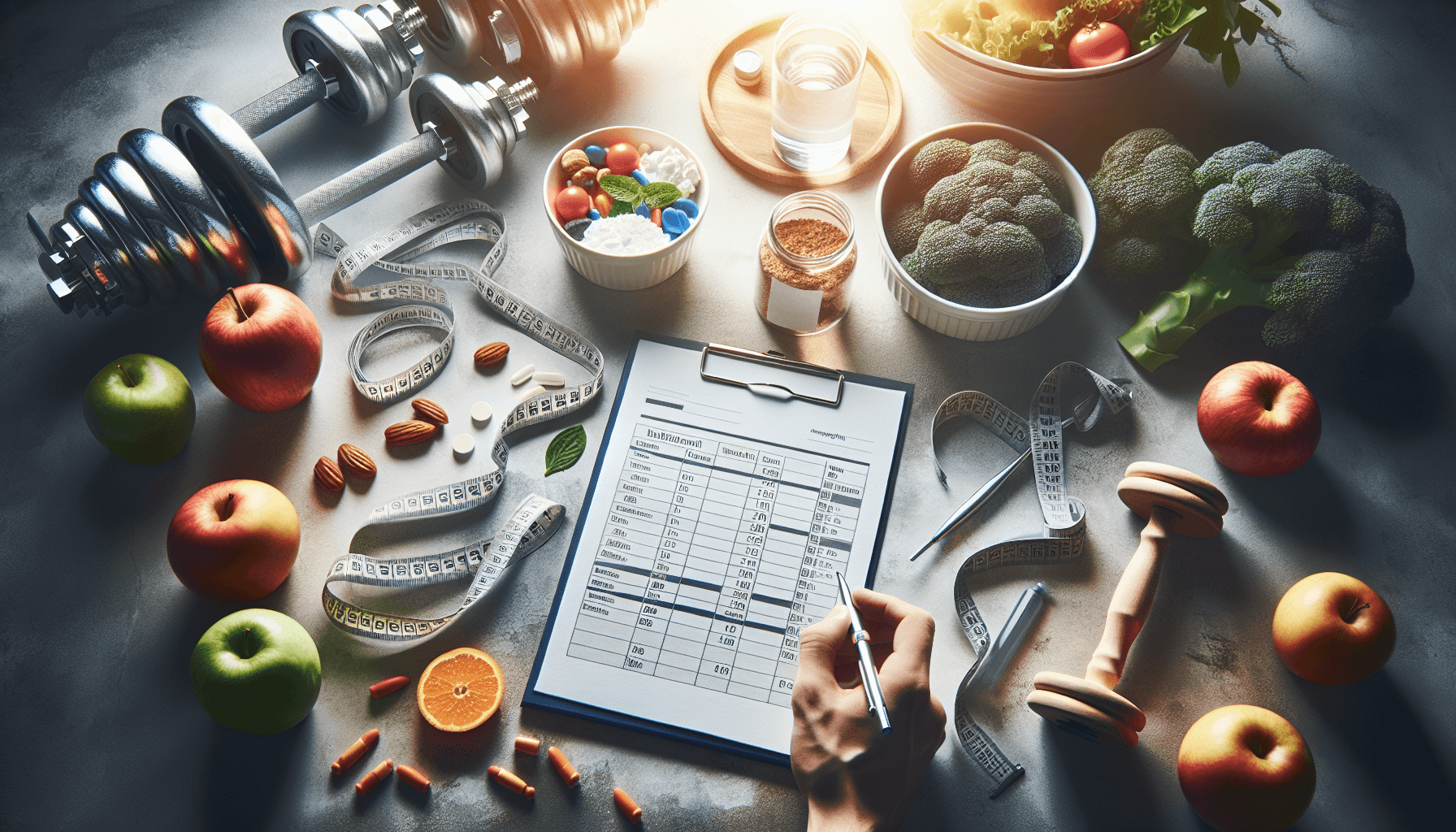
Adjusting Macros for Weight Loss Success
Achieving weight loss success often requires fine-tuning your macronutrient intake. Adjusting macros—proteins, carbs, and fats—can significantly impact your body's ability to lose weight effectively.
Understanding Macronutrients
What Are Macronutrients?
Macronutrients are nutrients that provide us with energy (calories) and are essential for the body's growth, metabolism, and other functions. The three main types are:
- Proteins: Crucial for muscle repair and growth.
- Carbohydrates: The body's primary energy source.
- Fats: Important for hormone production and nutrient absorption.
Why Adjusting Macros Matters for Weight Loss
Adjusting your macros helps optimize your body’s metabolism and can prevent plateaus in your weight loss journey. A balanced approach allows you to maintain muscle mass while losing fat, improving overall body composition.
How to Adjust Your Macros for Weight Loss
Step 1: Calculate Your Daily Caloric Needs
To adjust your macros effectively, first determine your Total Daily Energy Expenditure (TDEE). This number tells you how many calories you need to maintain your weight. From there, create a calorie deficit to initiate weight loss—generally, a deficit of 500-1000 calories per day is recommended for safe weight loss.
Step 2: Set Your Macro Ratios
A common macro ratio for weight loss is:
- Protein: 30%
- Carbohydrates: 40%
- Fats: 30%
However, these ratios can be adjusted based on individual needs and preferences. Consider increasing protein intake to help preserve muscle mass.
Step 3: Monitor Your Intake
Using apps like Last Calorie can simplify this process. With its AI photo logging feature, you can snap a picture of your meals and receive an instant calorie and macro breakdown in seconds. This ensures that you stay on track with your adjusted macros without the hassle of manual entry.
Practical Tips for Successful Macro Adjustment
1. Meal Prep
Plan your meals ahead of time to ensure you’re meeting your macro goals. This can help avoid impulsive food choices that may derail your progress.
2. Focus on Whole Foods
Choose whole, nutrient-dense foods that are high in fiber and protein. These foods keep you fuller for longer and help you meet your macro goals more effectively.
3. Stay Flexible
Your body may respond differently over time. Adjust your macro ratios as needed, and don’t hesitate to consult with a nutritionist for personalized guidance.
Conclusion
Adjusting your macros is key to weight loss success, allowing you to tailor your nutrition according to your body's needs. With tools like Last Calorie, tracking your macros becomes effortless and efficient, helping you stay focused on your weight loss goals.
Try Last Calorie today for free on iOS or Android, and experience the convenience of AI-powered meal analysis to keep your nutrition on track!



