How Hydration Affects Skin Health
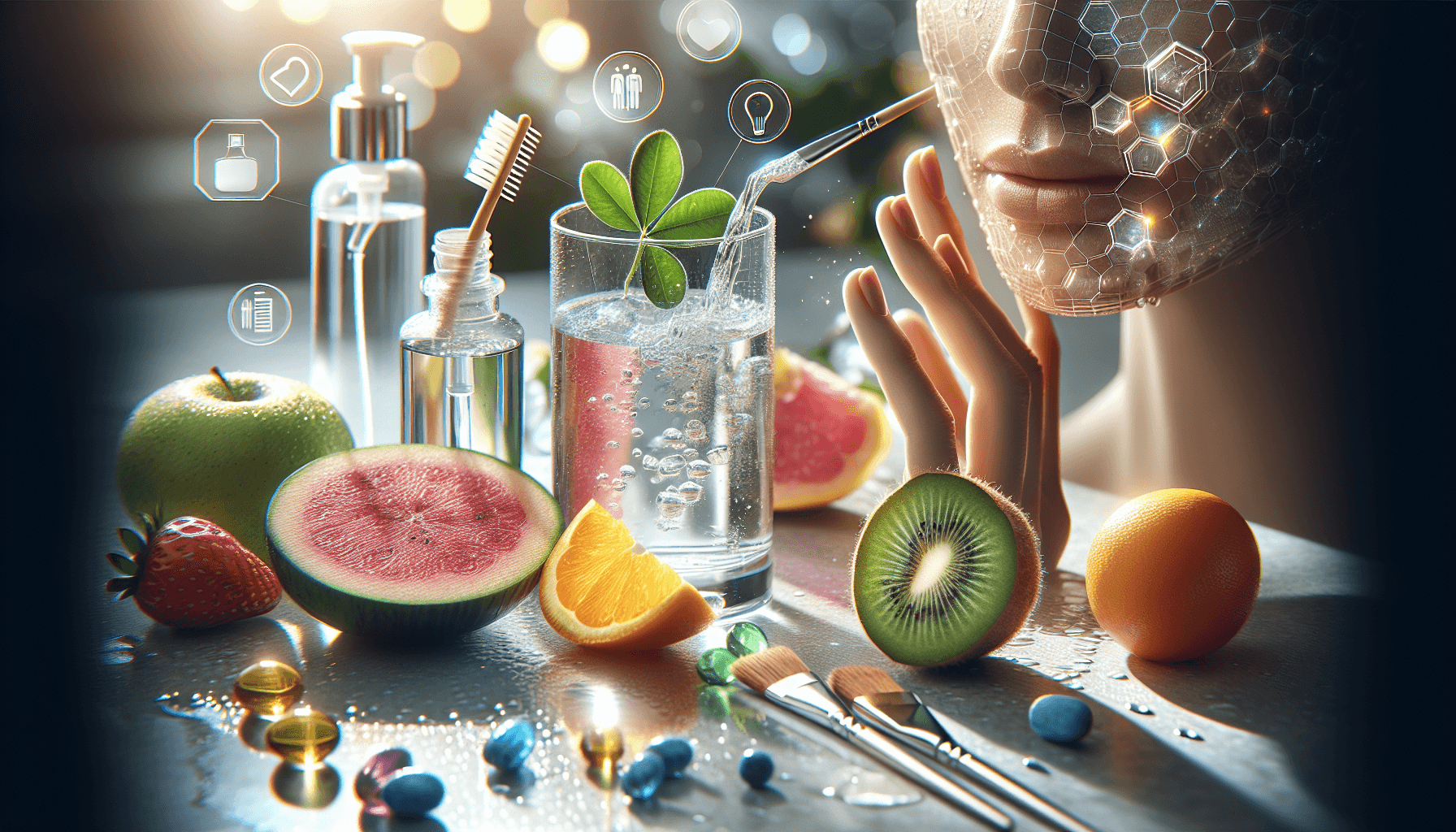
Hydration plays a crucial role in maintaining skin health. Proper water intake can improve skin elasticity, prevent dryness, and promote a radiant complexion. In this article, we will explore how hydration affects skin health and provide practical tips to ensure you stay adequately hydrated.
The Importance of Hydration for Your Skin
1. Maintains Skin Elasticity
Hydrated skin is more elastic and resilient. When your skin is well-hydrated, it can better resist wrinkles and sagging. This elasticity is essential for a youthful appearance and overall skin health.
2. Prevents Dryness and Flakiness
A well-hydrated body helps to maintain a natural moisture barrier in the skin. Insufficient water intake can lead to dryness, flakiness, and irritation. Drinking enough water helps to keep your skin supple and smooth.
3. Enhances Complexion
Adequate hydration can promote a healthy glow. When your skin is hydrated, it appears plumper and more vibrant. Conversely, dehydration can lead to a dull complexion.
How Much Water Should You Drink?
The general recommendation is to drink at least 8 glasses (64 ounces) of water per day. However, individual needs may vary based on factors such as age, activity level, and climate. Pay attention to your body's signals and adjust your water intake accordingly.
Practical Tips for Staying Hydrated
1. Set Daily Goals
One effective way to ensure consistent hydration is to set daily water intake goals. Use apps like Last Calorie to track your water consumption alongside your meals. Last Calorie's AI-powered meal analysis can help you monitor not only what you eat but also how much water you drink.
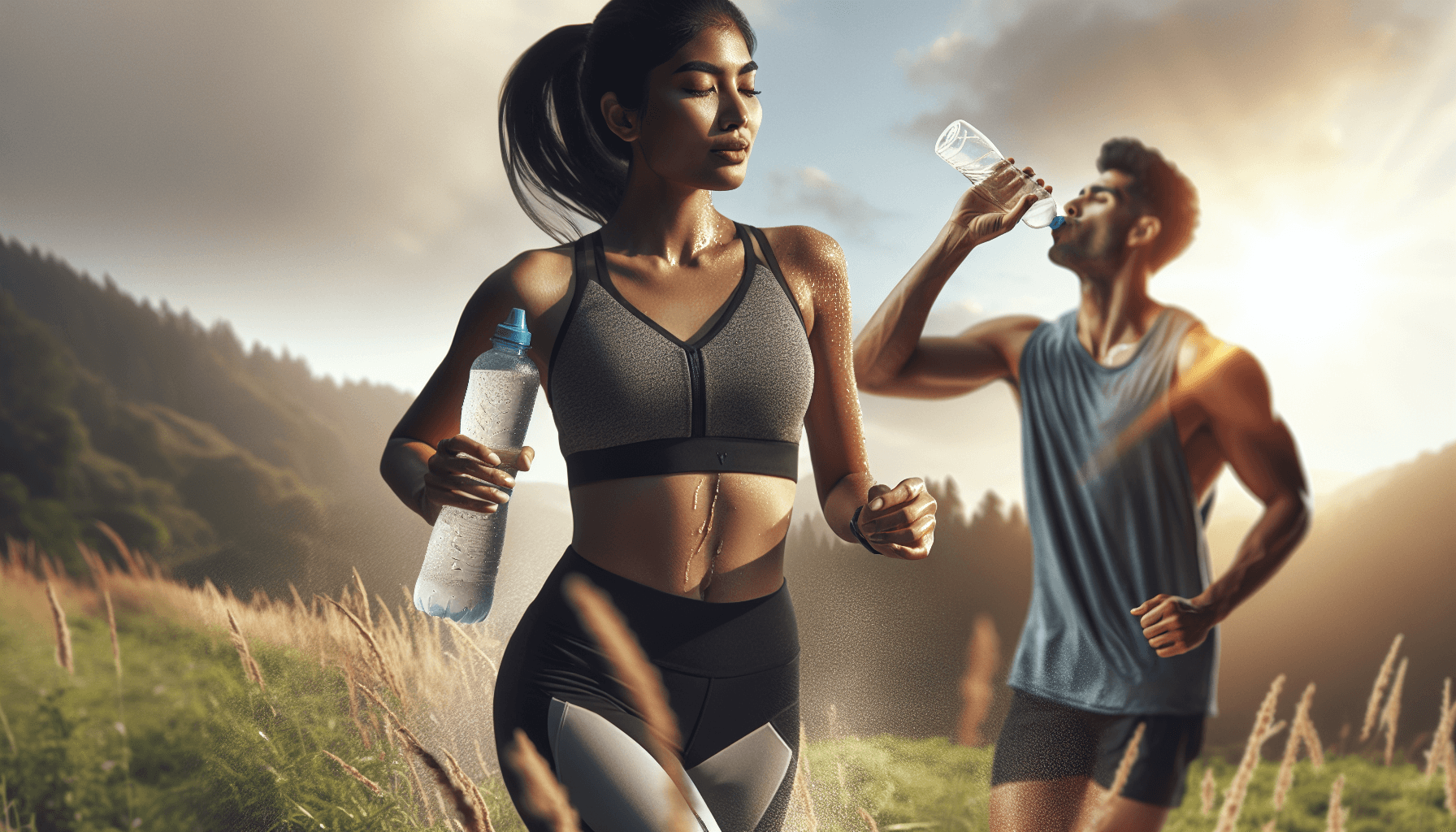
2. Carry a Water Bottle
Keep a reusable water bottle with you throughout the day. This serves as a constant reminder to drink water and makes it convenient to stay hydrated.
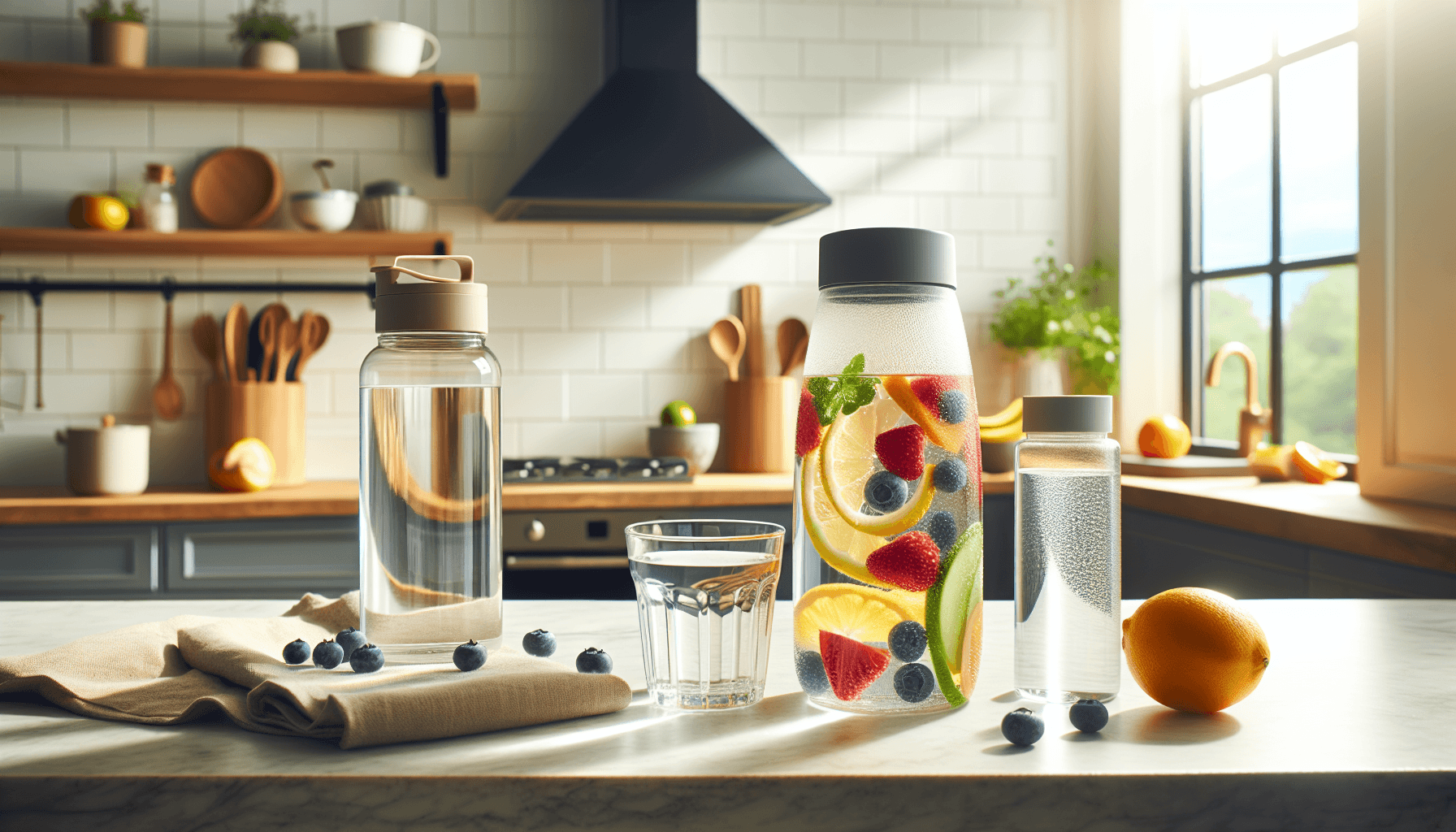
3. Infuse Your Water
If plain water isn’t appealing, try infusing it with fruits, herbs, or vegetables. This adds flavor and can make drinking water more enjoyable.
4. Eat Hydrating Foods
Incorporate foods with high water content into your diet, such as cucumbers, oranges, and watermelon. These can contribute to your overall hydration levels.
5. Monitor Your Urine Color
A practical way to gauge your hydration level is by checking the color of your urine. Pale yellow indicates good hydration, while dark yellow may suggest that you need to drink more water.
Conclusion
Hydration has a profound impact on skin health. By ensuring an adequate water intake, you can improve skin elasticity, prevent dryness, and enhance your complexion. Remember to set daily hydration goals and consider using tools like the Last Calorie app to track your water intake effectively. With its AI photo logging feature, Last Calorie makes it easy to log meals and hydration in under 30 seconds, helping you stay on top of your health goals.
Stay hydrated and maintain glowing skin with the help of Last Calorie!